
"coffee quality grades"
20000 article(s) found

How to distinguish the quality of coffee beans
1. Coffee varieties (high-quality Arabica species) are used in professional cafes for fresh grinding and baking, but (Robasta) because of their bitter taste, most of them are used in instant coffee powder production, mixed coffee bean blending and other fields. 2, planting techniques, understanding (various suitable budding methods of coffee beans; matters needing attention in transplanting; growing pruning, loosening soil, organic fertilization, etc.) 3, climate,

Introduction to the selected and graded quality of Colombian coffee beans description of flavor in Colombian coffee producing area
Follow the caf é (Wechat official account vdailycom) and found that the coffee in Colombia is mainly Arabica coffee (coffeaarabica), that is, small fruit coffee (small grain coffee), relative to big fruit coffee (coffearobu).

Introduction to the quality of Ethiopian Coffee Bean varieties by describing the Flavor of Solar washing
Introduction to the quality of Ethiopian coffee bean varieties sun washing flavor description in Ethiopia, the grading and quality control system of coffee is divided into three levels: producer, regional and national. All coffee is inspected by local inspection agencies before leaving the country of origin, and then re-tested at the coffee inspection and grading centers in Addis and Diredawa to determine its quality grade. Coffee
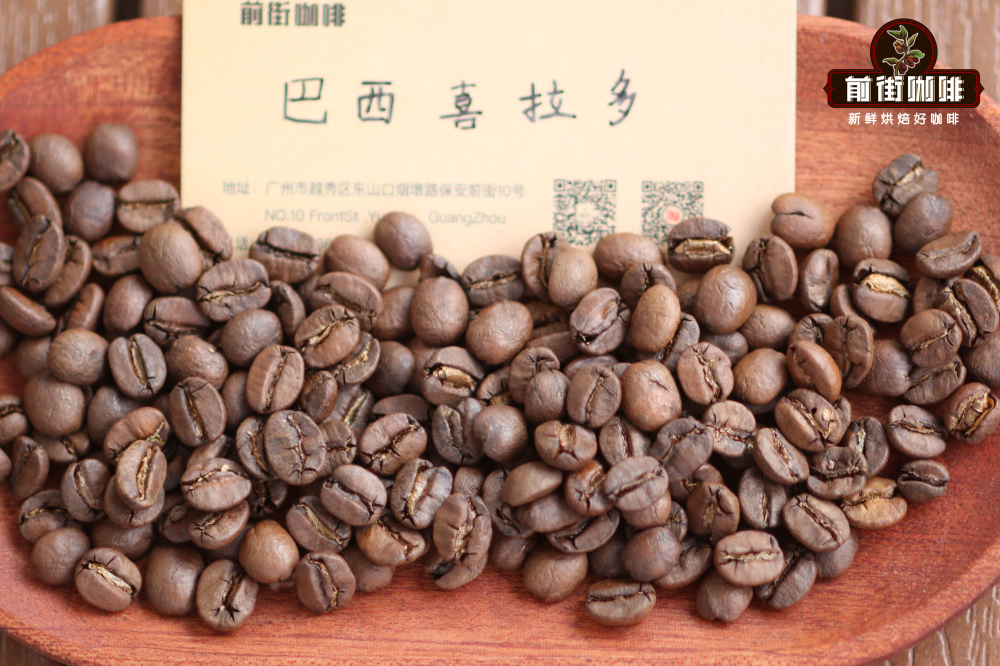
How to classify the Grade of Brazilian Coffee beans introduction to the characteristics of the grading system of Brazilian coffee beans
Professional coffee knowledge exchange more coffee bean information please follow the coffee workshop (Wechat official account cafe_style) front street-Brazil coffee graded introduction coffee bean origin management methods vary, some are made up of large and small farmers, some are dominated by professional business owners, even in the same place
Grading according to the proportion of sieve and defective beans
Grading defective beans according to the ratio of sieve and defective beans is an important factor in destroying the flavor of the final coffee. Therefore, defective beans should also be removed in the final step of green bean processing. Therefore, according to the proportion of defective beans, supplemented by screen size is also used as a classification method. Due to the rise of the fine coffee trend, coffee producing countries are paying more and more attention to the quality of coffee. Controlling defective beans is the most important way.

Basic knowledge of coffee bean appearance and grading of Ethiopian coffee
The grading we are talking about now refers to the grading of raw beans in the country where coffee is produced. (no matter which country coffee beans are not graded) Ethiopian coffee beans are divided into five grades. The first and second stages are reserved for washing beans with water. Grade 1 represents 0-3 raw beans and Grade 2 represents 4-12 missing beans per 300g raw beans. Grade 1 (G1) grade water washed bean pole

How are Kopi Luwak grades divided into Kopi Luwak grading standards? what grades of cat poop coffee beans compare?
Professional coffee knowledge exchange more coffee bean information Please follow the coffee workshop (Wechat official account cafe_style) Kopi Luwak (Kopi Luwak), which refers to coffee made from coffee beans excreted by civet feces. Kopi Luwak is a kind of coffee, not a brand. There are many different brands, quality and prices of Kopi Luwak, how to choose? Different kinds of coffee

What is the Colombian grading standard? what is the Coca Joyo Cup? Colombian coffee raw bean name
Columbia grading standard [grading by legume size]: Grade Supamo SC-18:Supremo Sc-18 Supamo SC-17/18:Supremo Sc-17/18 selected European standard: 10% Excelso EP10% selected quality grade: Excelso UGQ Micro-lot refers to small batches (or small batches) of fine quality coffee. Different from the usual sense of producing area beans or
Boutique Coffee Science explains in detail the grades and grades of coffee beans
National place name: indicates the area where coffee is produced. For example, Ethiopia. Harald shows that the product is produced in Harald, Ethiopia. It should be noted here that the name of the country is the same, but when the region and year are different, the quality of coffee is different, and the taste of coffee is not guaranteed to be consistent. Port of export: indicates the port of export of coffee. Coffee of the same origin and brand in the same place.

Ethiopia, the largest producer of coffee in Africa.
Coffee grading and quality control system in Ethiopia, coffee grading and quality control system is divided into three levels: producer, regional and national. All coffee is inspected by local inspection agencies before leaving the country of origin, and then re-tested at the coffee inspection and grading centers in Addis and Diredawa to determine its quality grade. Coffee is graded before auction and sale

Kenyan coffee bean grading standard| Kenya coffee packaging elephant logo and main growing areas
Kenya, like its neighbor Ethiopia, is a very important coffee-producing country. It is located in the middle of the equator at low latitudes, multi-plateau territory, an average altitude of 1500 meters, coffee is mainly planted in the capital Nairobi to Kenya mountains around the volcano at an altitude of 1600-2100 meters. This height is suitable for coffee beans to develop flavor, because mountain temperatures are lower and coffee grows

Kona Greenwell Manor, Hawaii, United States Information XF Grade Water washed Kona Coffee Bean grading system
Professional barista exchange please follow the coffee workshop (Wechat official account cafe_style) Hawaii Kona Greenwell XF Grade October 2017, carefully selected Hawaii Greenwell estate's latest Kona\ Kona\ Kona coffee Extra Fancy selected batch airlifted delivery. Greenwell Manor, which has a history of 150 years, has participated in and won many universities in Europe and the United States.

High-quality Indonesian coffee raw bean classification standard brand altitude planting environment origin
Boutique coffee beans 1. Generally speaking, coffee is not classified according to altitude in countries near the equator because coffee is grown at a higher altitude. In addition, if it is picked by hand and processed by washing, it will not be graded by bad points because there are few immature beans and sundries mixed in. Therefore, the size of the sieve number is generally used as the grading standard. Such as: Colombia, Tanzania
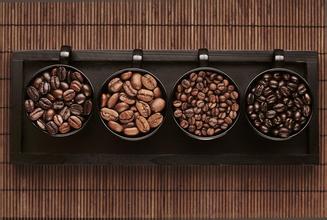
Taste characteristics of coffee bean producing area in Uganda quality introduction of manor flavor description method
Ugandan coffee beans introduced that in the 16th century, Portuguese colonists occupied coastal areas. In 1890, Germany and Britain divided East Africa, and Kenya was classified as Britain. The British government declared Kenya its "East African protectorate" in 1895 and changed it into its colony in 1920. Coffee was grown on large estates under British colonial rule, and the harvested beans were shipped to London for sale. Coffee Act of 1933

Grading standard of raw coffee beans
There are two ways to classify brown raw beans, one is to filter the number, and the other is to divide it by elevation. It is divided by the number of the filter screen, and the size is in the unit of the screen (size). Round beans are generally smaller than flat beans, between 8-13 and 12-29. 8, 9, 10. 12, 13. 18. 29 = small, medium, ordinary. Quasi-big. Big, extra large. The bigger the size, the bigger the beans. Like SC-1.

Standard for grading of fine coffee beans, common sense coffee and raw beans
It is divided by the number of the filter screen, and the size is in the unit of the screen (size). Round beans are generally smaller than flat beans, between 8-13 and 12-29. 8, 9, 10. 12, 13. 18. 29 = small, medium, ordinary. Quasi-big. Big, extra large. The bigger the size, the bigger the beans. SC-19, for example, is the No. 19 bean. According to the elevation of the cultivated land, it can be divided into seven grades.
Grade analysis of Ethiopian coffee beans how to choose siphon coffee maker
Ethiopian coffee has the highest citrus aroma in the world. Whether instant coffee or freshly ground coffee, the aroma of orange or lemon can be smelled during extraction. The nose is characterized by strong floral, fruity, sour and sweet aromas, but the alcohol is slightly thicker or less dense. The biggest disadvantage is that it is easy to bake unevenly, especially sun-dried beans. Even the best Grade3 Harald sun-dried beans

Introduction to the grading system standard of coffee beans the grading characteristics and taste of coffee beans
Professional coffee knowledge exchange more coffee bean information please follow the coffee workshop (Wechat official account cafe_style)

What is the official grading system of raw beans in Kenya and the description of the flavor characteristics of Kenyan coffee
Professional coffee knowledge exchange more coffee bean information please follow the coffee workshop (Wechat official account cafe_style) Kenya's official bean grading system is as follows: according to particle size

Colombia | what is the variety of emerald coffee? The grades of special coffee and top-grade coffee are
Professional coffee knowledge exchange more coffee bean information please follow the coffee workshop (Wechat official account cafe_style) Colombia | what is the variety of emerald coffee? How is the grade of special coffee and top coffee divided? Colombian coffee-made in Colombia, roasted coffee beans release sweet aromas with sweet acidity and moderate bitterness